

Crossing Boundaries: Methods, Materials, and Meaning in Archaeology
08 01 2026
Serdecznie zapraszamy wszystkich zainteresowanych tematem doktorantów Szkoły Doktorskiej Nauk Humanistycznych oraz studentów innych stopni na spotkanie z dr. Mariuszem Gwiazdą (Centrum Archeologii Śródziemnomorskiej UW), prowadzącym z sukcesem multidyscyplinarne badania archeologiczne w późnoantycznym Egipcie i Lewancie. Spotkanie odbędzie się w ramach seminariów doktoranckich prowadzonych w SDNH Boundless. The limits of cognition in archaeology.
Spotkanie odbędzie się w poniedziałek 12 stycznia 2026 r. w budynku Wydziału Archeologii (Szkoła Główna) w sali 211.
Serdecznie zapraszamy!
dr hab. Małgorzata Kot, prof. ucz. dr hab. Tomasz Waliszewski, prof. ucz.
Abstrakt
Crossing Boundaries: Methods, Materials, and Meaning in Archaeology
dr Mariusz Gwiazda (Polish Center of Mediterranean Archaeology)
I would like to offer a reflective account of archaeological research understood not only as a technical discipline, but as a multi-dimensional intellectual journey shaped by changing questions, methods, and contexts. Drawing on my own academic path, I discuss how long-term fieldwork, interdisciplinary collaboration, and engagement with new types of evidence have gradually expanded my research horizons, often in unexpected ways.
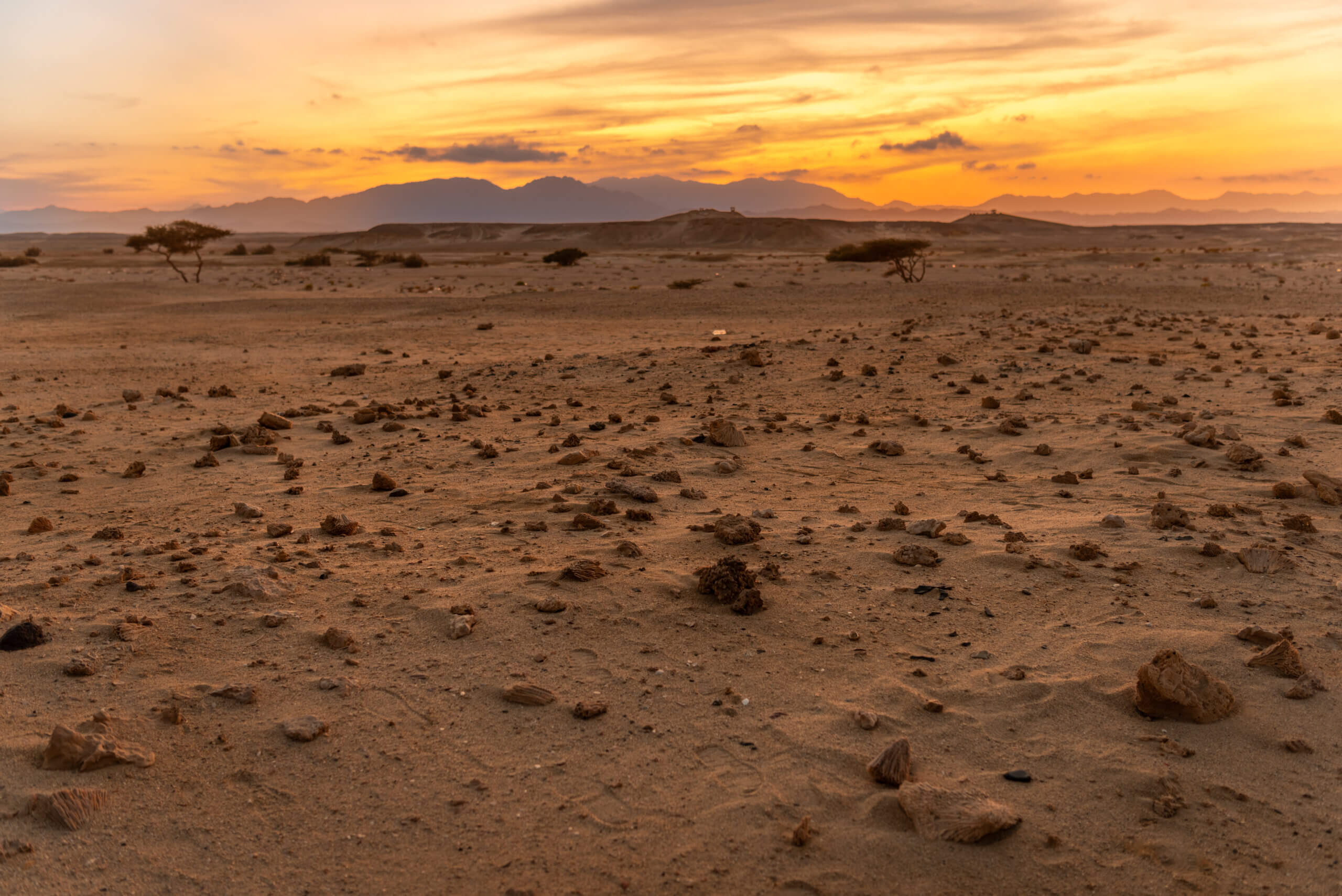
Particular attention is given to two projects that exemplify this process. The Marmora Byzantina project illustrates how the study of stone materials—often treated as a marginal or purely descriptive category—can open broader perspectives on economy, mobility, and cultural meaning in the Byzantine world when combined with archaeological, GIS, and archaeometric approaches. In turn, the research on the Blemmyan cemeteries at Berenike highlights the challenges and rewards of working at the intersection of archaeology, history, and anthropology, where fragmentary material evidence must be carefully connected with sparse textual sources and broader debates on identity, borderlands, and cultural interaction.
Beyond presenting results, the paper reflects on the practical and intellectual challenges of archaeological research: working in politically and logistically difficult regions, dealing with incomplete data, revising long-held assumptions, and learning to embrace methodological uncertainty. By sharing both successes and difficulties, this contribution aims to offer an honest and encouraging perspective on archaeology as a field that rewards curiosity, flexibility, and openness to crossing disciplinary boundaries.